
Stories of the Rooms

Room 1

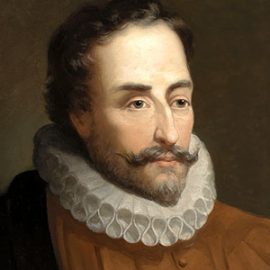
Miguel De Cervantes

Miguel de Cervantes was a Spanish novelist and playwright, best known for Don Quixote. In 1575, he was captured by pirates and brought to Istanbul, then part of the Ottoman Empire, where he spent several years as a captive before returning to Spain.
His experiences in Istanbul shaped his understanding of freedom, courage, and resilience.
Istanbul left him with stories of endurance and cultural encounters that would echo through his writing.
This room invites you to feel the adventurous spirit of Cervantes during his Istanbul years.

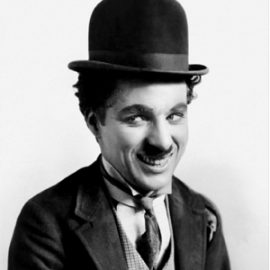
Charlie Chaplin

Charlie Chaplin was a British actor, filmmaker, and one of cinema’s earliest legends.
 Although he never visited Istanbul, his films were among the first foreign works shown in the city’s early cinemas, inspiring Turkish artists and performers.
In 2014, the Istanbul Toy Museum acquired a unique toy made for Chaplin’s “The Tramp” character, produced in 1914 as a single toy and presented as a gift to him.
 Through his films and this special toy, Istanbul experienced the charm, humor, and resilience of “The Tramp.”
 This room reflects the joy, humor, and enduring charm of Chaplin himself.

Room 2
Room 3

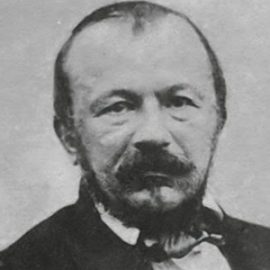
Gerard De Nerval

Gérard de Nerval was a French poet and Romantic writer.
 He visited Istanbul in the 1840s and described its streets, mosques, markets, and vibrant neighborhoods in his travel writings.
 The city’s mixture of cultures and colors inspired his reflections on beauty and tolerance.
 This room celebrates Nerval’s fascination with Istanbul’s rich diversity.

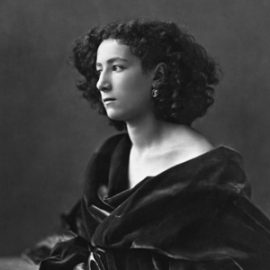
Sarah Bernhardt

Sarah Bernhardt was a celebrated French stage actress.
 She performed in Istanbul four times in the late 19th and early 20th centuries, including for Sultan Abdülhamid II at Yıldız Palace.
 Istanbul’s enthusiastic audiences and grand theaters left her spellbound, inspiring her performances abroad.
 This room echoes the elegance and drama of Bernhardt’s Istanbul appearances.

Room 4
Room 5

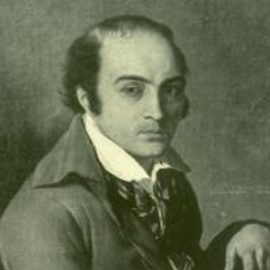
André Chénier

André Chénier was a French poet whose passionate verses inspired generations.
 Born in Istanbul to a French father and Greek mother, he spent his early childhood here before moving to Paris.
 The city’s blend of East and West gave him a unique perspective that shaped his poetic voice.
 This room invites you to experience the poetic energy Chénier carried from Istanbul.

Pierre Loti

Pierre Loti was a French naval officer and novelist.
 He lived in Istanbul for several years, writing about the city’s beauty and melancholy, particularly in Aziyade.
 Istanbul’s landscapes, rituals, and waterways left a lasting imprint on his imagination.
 This room captures the romantic and reflective atmosphere Loti experienced in Istanbul.

Room 6
Room 7

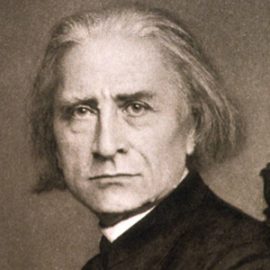
Franz Liszt

Franz Liszt was a Hungarian composer and virtuoso pianist.
 He visited Istanbul in 1847 and performed for Sultan Abdülmecid I at Dolmabahçe Palace, leaving an impression on the city’s elite.
 The music, the people, and the Bosphorus scenery inspired a harmony of East and West in his mind.
 This room celebrates Liszt’s musical spirit and his Istanbul experience.

Edmondo De Amicis

Edmondo De Amicis was an Italian novelist and travel writer.
 He arrived in Istanbul in 1874, documenting its streets, people, and daily life with meticulous detail. 

Istanbul’s bustling markets and rich tapestry of life inspired his keen observations of humanity.
This room invites you to explore Istanbul through De Amicis’ curious and observant eyes.

Room 8
Room 9

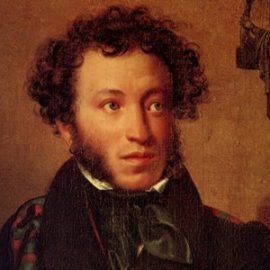
Alexander Sergeyevich Pushkin

Alexander Pushkin was a Russian poet and founder of modern Russian literature.
 Though he never lived in Istanbul, he wrote about it in his works, imagining it as a place of beauty, freedom, and fascination.
 Istanbul’s exotic charm and historic significance fueled his creative imagination.
 This room reflects Pushkin’s admiration for Istanbul and its inspiring landscapes.

Pietro Canonica

Pietro Canonica was an Italian sculptor and composer.
 He designed several important monuments in Istanbul and Ankara, including the famous Atatürk Statue in Taksim.
 Istanbul inspired him to create works that merged Turkish identity with European artistry.
 This room embodies the grandeur of Canonica’s sculptures and his connection to Istanbul.

Room 10
Room 11

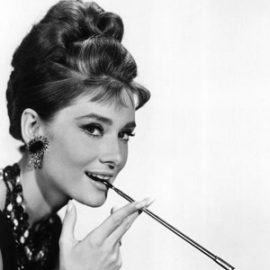
Audrey Hepburn

Audrey Hepburn was a Belgian-born actress and humanitarian.
 She spent a day in Istanbul in 1968, visiting the Blue Mosque, Topkapı Palace, Hagia Sophia, and the Grand Bazaar, delighting in the city’s charm.
 The city’s architecture, colors, and rhythms left her enchanted and inspired her curiosity.
 This room captures the elegance and grace Audrey Hepburn experienced in Istanbul.

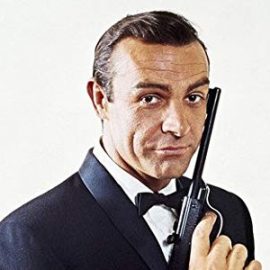
James Bond

James Bond is a fictional British spy created by author Ian Fleming.
 Parts of the 2012 film Skyfall were shot in Istanbul, showcasing the city’s architecture and streets to a global audience.
 Istanbul became part of the thrilling narrative, inspiring awe and adventure around every corner.
 This room celebrates the intrigue and action of Istanbul seen through 007’s eyes.

Room 12
Room 13

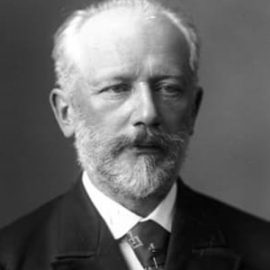
Pyotr Ilyich Tchaikovsky

Pyotr Ilyich Tchaikovsky was a Russian composer of classical music.
 He visited Istanbul during his voyages between Russia and Europe, exploring Galata, Pera, and the Bosphorus.
 The city’s lively streets and scenic vistas inspired the subtle lyricism in his reflections.
 This room resonates with Tchaikovsky’s musical impressions of Istanbul.

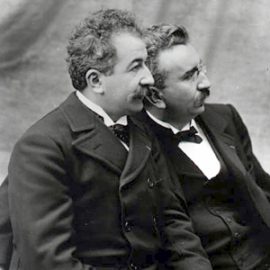
Auguste & Louis Lumière

The Lumière brothers were French inventors and pioneers of cinema.
 They filmed Istanbul in 1896, capturing the Golden Horn, Bosphorus, and city life only a year after patenting the cinematograph.
 Istanbul became one of the first cities immortalized in cinema, inspiring generations of filmmakers.
 This room honors the Lumières’ cinematic vision and Istanbul’s early role in film history.

Room 14
Room 15

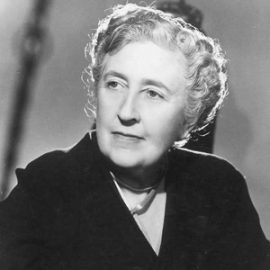
Agatha Christie

Agatha Christie was a British novelist and “Queen of Mystery.”
 She stayed at Istanbul’s Hotel Pera Palas while writing Murder on the Orient Express, drawing inspiration from the city’s crossroads of East and West.
 Istanbul’s mysterious streets and vibrant life fed the suspense and atmosphere of her classic story.
 This room immerses you in the intrigue and ambiance that inspired Christie in Istanbul.

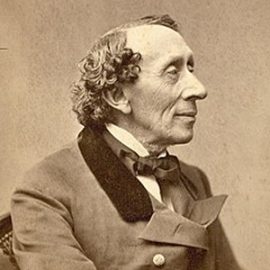
Hans Christian Andersen

Hans Christian Andersen was a Danish author and storyteller.
 He visited Istanbul in 1841, captivated by its domes, towers, and the Bosphorus, recording his impressions in travel notes.
 The city’s magical contrasts inspired his vivid, fairy-tale imagination.
 This room evokes the whimsical and poetic Istanbul that enchanted Andersen.

Room 16
Room 17

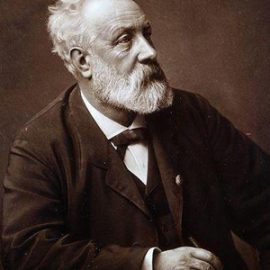
Jules Verne

Jules Verne was a French novelist and father of science fiction.
 Although he likely never visited Istanbul, he described it vividly in Keraban the Inflexible, capturing the city’s streets, bazaars, and customs.
 Istanbul’s bustling life and unique geography inspired the vivid settings in his stories.
 This room celebrates Verne’s imaginative journey through the Ottoman capital.

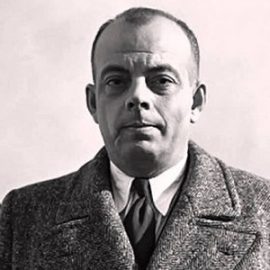
Antoine de Saint-Exupéry

Antoine de Saint-Exupéry was a French writer and pioneering aviator.
 He made a forced landing in Turkey in 1935 and dreamt of one day living in Istanbul, enchanted by its skyline and waterways.
 Istanbul’s skies and horizons inspired his sense of flight, wonder, and exploration.
 This room reflects Saint-Exupéry’s fascination with Istanbul from both ground and air.

Room 18
Room 19

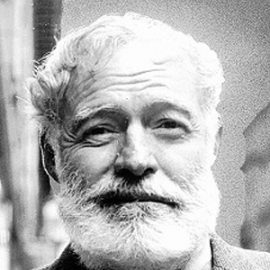
Ernest Hemingway

Ernest Hemingway was an American novelist and journalist.
 He visited Istanbul in 1922 as a war correspondent and wrote about its streets, cafés, and people during a time of political upheaval.
 The city’s energy, contrasts, and daily life inspired his detailed, observational storytelling.
 This room invites you to see Istanbul through Hemingway’s sharp and vivid perspective.

Close
Poem Badge Tripadvisor Badge