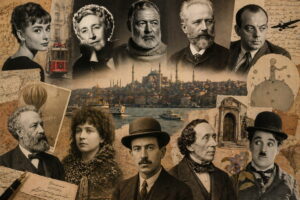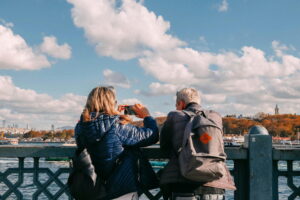
Hotel Poem is not just a boutique hotel in Sultanahmet. It is a concept....
Read MoreTravel Guide

Istanbul Travel Tips: Everything You Need to Know Before You Go
Planning your first trip to Istanbul? Or returning after years away? This comprehensive guide covers everything you need to know for a smooth, enjoyable visit to Turkey’s cultural capital. At Hotel Poem, we’ve helped thousands of travelers make the most of their Istanbul experience. Here are the essential tips we share with every guest.
Money Matters
Currency: Turkey uses the Turkish Lira (TRY or ₺). While euros and dollars are accepted at some tourist establishments, you’ll get much better value paying in lira. Credit cards are widely accepted at hotels, restaurants, and shops, but always carry cash for small purchases, street food, and traditional markets.
ATMs and Exchange: ATMs are everywhere and offer the best exchange rates. Withdraw larger amounts less frequently to minimize fees. Avoid airport exchange bureaus—their rates are significantly worse than ATMs or exchange offices in the city. The Grand Bazaar area has reputable exchange offices with competitive rates.
Tipping: Tipping is customary but not as high as in North America. Round up taxi fares, leave 5-10% at casual restaurants, 10-15% at upscale establishments. Some restaurants include a service charge, so check your bill before tipping extra.
Getting Around Istanbul
From the Airport: Istanbul has two airports. Istanbul Airport (IST) serves most international flights and is about 50km from Sultanahmet. Sabiha Gökçen Airport (SAW) serves budget airlines and is on the Asian side, allow 90-120 minutes travel time to Sultanahmet. We are happy to arrange a private transfer from (and to) both airports to ensure you have a smooth and convenient arrival to Hotel Poem.
Public Transportation: Istanbul’s public transport is excellent and affordable. Get an Istanbulkart (rechargeable transport card) at any metro station, ferry terminal, or kiosk. One card works on metros, trams, buses, ferries, and funiculars. Single journey costs are much cheaper with the card than buying individual tickets.
Trams: The T1 tram line runs through Sultanahmet and connects major tourist sites. It’s your main transportation mode in the historic area. Trams can get crowded during rush hours (8-9 AM, 5-7 PM).
Ferries: Don’t miss the Bosphorus ferries—they’re both practical transport and a wonderful experience. The short cross-continental ferries (between European and Asian sides) cost just a few lira and offer stunning views.
Walking: Sultanahmet’s attractions are all walkable from our location. Comfortable shoes are essential—you’ll walk on cobblestones, stairs, and uneven surfaces. Download offline maps on your phone for navigation.
Cultural Etiquette and Customs
Mosque Visits: Istanbul’s mosques welcome visitors outside prayer times. Remove your shoes before entering (carry a small bag for them). Women should cover their heads with a scarf, shoulders, and knees. Men should wear long pants. Scarves are often provided at major mosques if you forget. Speak quietly and avoid visiting during prayer times. Photography is usually allowed but be respectful.
Dress Code: Istanbul is cosmopolitan and diverse. In Sultanahmet and tourist areas, casual Western clothing is completely acceptable. However, modest dress helps you blend in better and shows respect—avoid extremely short shorts or revealing tops when visiting religious sites or conservative neighborhoods. In trendy areas like Beyoğlu, anything goes.
Greetings: Turks are warm and friendly. Handshakes are standard for business and formal situations. Among friends, cheek kisses (two, starting with the right) are common between people of the same gender. “Merhaba” (hello) and “teşekkür ederim” (thank you) go a long way.
Hospitality: Turkish hospitality is legendary. If invited for tea, accepting is polite—refusing might seem rude. That said, distinguish between genuine hospitality and sales tactics. Shopkeepers offering tea usually expect you to browse or buy something afterward.
Bargaining: Expected and encouraged in bazaars and markets, but not in regular stores with price tags. Start at 50-60% of the asking price and negotiate from there. Be friendly and good-humored—it’s a social exchange, not a confrontation. If you can’t reach an agreeable price, politely walk away; often the shopkeeper will call you back with a better offer.
Safety and Health
Safety: Istanbul is generally safe for tourists. Petty theft (pickpockets) exists in crowded areas like the Grand Bazaar, trams, and busy streets. Keep valuables secure and be aware of your surroundings. Scams targeting tourists are relatively rare but exist—be cautious of overly friendly strangers offering to take you to “their uncle’s shop” or restaurants with no visible prices.
Women Travelers: Istanbul is quite safe for women traveling alone or together. Harassment is less common than stereotypes suggest, especially in tourist areas. Dress moderately to avoid unwanted attention, trust your instincts, and don’t hesitate to be firm with anyone making you uncomfortable.
Tap Water: Istanbul tap water is unfortunately not safe to drink. Restaurants automatically serve bottled water, which you’ll be charged for. Brushing teeth with tap water is fine.
Healthcare: Medical care is excellent in Istanbul with many English-speaking doctors. Pharmacies (eczane—marked with green crosses) are everywhere and pharmacists can help with minor ailments. Travel insurance with medical coverage is strongly recommended.
Food Safety: Turkish cuisine uses fresh ingredients and food poisoning is rare. Street food is generally safe—look for places with high turnover and where you can see food being prepared. Avoid raw salads if you have a sensitive stomach.
Language and Communication
English: Widely spoken in tourist areas, hotels, and restaurants in Sultanahmet and Beyoğlu. Our Hotel Poem staff are fluent in English. In local neighborhoods, English is less common, but hand gestures and translation apps work well.
Useful Turkish Phrases:
- Merhaba (mer-ha-ba) – Hello
- Teşekkür ederim (teh-shek-kur ed-er-im) – Thank you
- Lütfen (lewt-fen) – Please
- Evet/Hayır (eh-vet/ha-yuhr) – Yes/No
- Ne kadar? (neh ka-dar) – How much?
- Hesap lütfen (heh-sap lewt-fen) – Check please
- Su (soo) – Water
- İyi günler (ee-yee gewn-ler) – Good day
WiFi and Data: Most hotels, restaurants, and cafés offer free WiFi. Consider buying a Turkish SIM card at the airport or from Hotel Poem for data—very affordable and convenient for navigation and translation apps.
Best Times to Visit
Peak Season (May – October): Hottest and most crowded, highest prices, long queues at attractions. If visiting in summer, book everything in advance and prepare for heat and crowds.
Shoulder Season (March – April, November): Ideal weather, fewer crowds than summer, moderate prices. Spring brings tulips and pleasant temperatures, autumn offers warm days and golden light.
Low Season (December – February): Fewer tourists, lowest prices, cooler weather. Winter in Istanbul has its own charm with occasional snow and authentic local atmosphere. See our detailed guide on why winter might be perfect for you.
Must-Know Practical Tips
Museum Pass: If visiting multiple museums, consider the Museum Pass Istanbul (available in 3-, 5-, or 7-day versions). Covers major attractions including Topkapi Palace, Hagia Sophia Mosque doesn’t require it, and allows skip-the-line entry. Calculate if it’s worth it based on your itinerary.
Friday Prayer: Many mosques, including the Blue Mosque, close to tourists during Friday midday prayers (roughly 12-2:30 PM). Plan accordingly.
Ramadan: During the Islamic holy month (dates vary yearly), some restaurants close during daylight hours, though tourist areas remain open. Evenings are festive with special foods and extended hours. It’s a fascinating time to visit if you’re respectful and prepared.
Tea Culture: Turkish tea (çay) is everywhere and cheap. Locals drink it constantly. It’s served in small tulip-shaped glasses and is quite strong. Don’t feel pressured to drink multiple cups if offered—one is polite acceptance.
Turkish Coffee: Order Turkish coffee for the thick, strong brew prepared in a cezve (small pot). Don’t drink the grounds at the bottom! If someone offers to read your fortune in the coffee grounds, it’s a fun cultural experience.
Hammam Experience: Book in advance at reputable hammams near Sultanahmet. Bring or rent a swimsuit (women) or shorts (men), though some traditional hammams are same-gender only where modest garments are provided.
Persistent Sellers: In tourist areas, you’ll encounter carpet sellers, tour touts, and restaurant promoters. A simple “No, thank you” and continuing to walk is usually sufficient. Don’t feel obligated to engage in conversation or be overly apologetic.
Power Outlets: Turkey uses European-style plugs (Type C and F, 230V). Bring appropriate adapters for your devices.
Smoking: Turkey has high smoking rates, but it’s banned in enclosed public spaces including restaurants, bars, and transport. Outdoor seating areas may have smokers.
Making the Most of Your Stay
Plan but Stay Flexible: Have a rough itinerary but don’t over-schedule. Istanbul rewards wandering and spontaneous discoveries. Some of your best memories will be unplanned.
Early Starts: Major attractions are most crowded 10 AM-4 PM. Early morning visits (opening time) offer better experiences with fewer crowds and better light for photography.
Respect Local Customs: A little cultural sensitivity goes a long way. When in doubt, observe how locals behave and follow their lead.
Try Everything: Be adventurous with food, accept invitations for tea, strike up conversations, take the ferry, visit a local neighborhood. These experiences define your trip as much as the famous monuments.
Ask Us: The Hotel Poem team is here to help with anything—restaurant recommendations, transport advice, translation assistance, or emergency help. Don’t hesitate to ask questions or request assistance.
Final Thoughts
Istanbul can feel overwhelming at first—it’s massive, ancient, chaotic, and utterly captivating. Give yourself time to adjust, stay in a central location like Sultanahmet, and approach the city with curiosity and openness. The more you engage with Istanbul, the more it reveals itself.
Most travelers leave wishing they had more time. That’s the sign of a city that captures hearts. With these tips in mind and our Sultanahmet location as your base, you’re ready for an incredible Istanbul adventure. Safe travels and hoş geldiniz (welcome) to Istanbul!
More From Our Travel Guide
Who Should Stay at Hotel Poem in Istanbul?
Is Hotel Poem right for you? This honest guide covers who gets the most...
Read MoreWhat Is an Art Hotel? (With Examples in Istanbul)
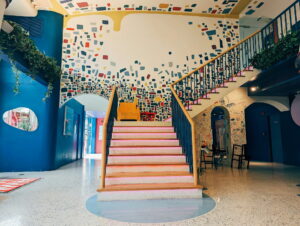
An art hotel goes beyond decor. It tells stories. Discover what defines a true...
Read MoreWhere to Stay in Istanbul for Culture Lovers
Planning a cultural trip to Istanbul? This guide covers the best neighbourhoods for travellers...
Read MoreIstanbul Travel Tips: Everything You Need to Know Before You Go
Planning your first trip to Istanbul? Or returning after years away? This comprehensive guide...
Read MoreIstanbul in Winter: Why Low Season is Actually Perfect
Most travelers assume spring and summer seasons are the best time to visit Istanbul,...
Read More